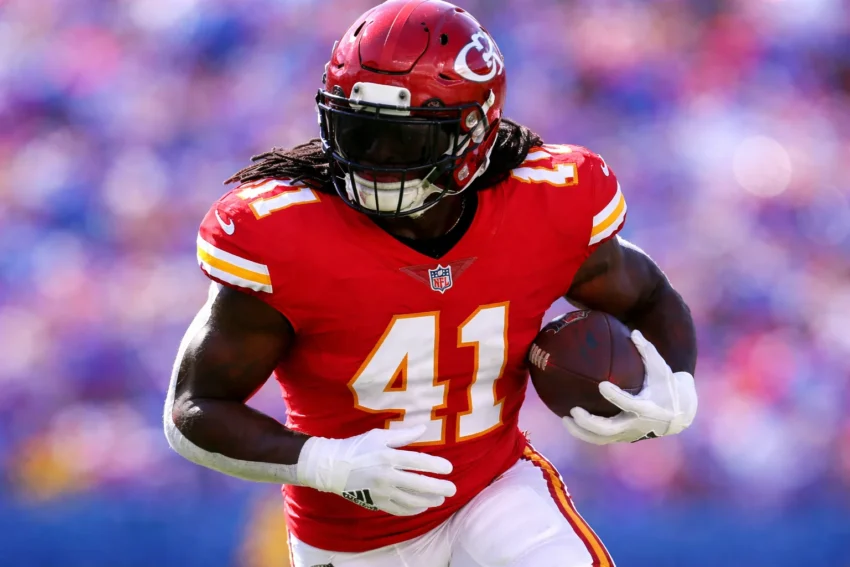
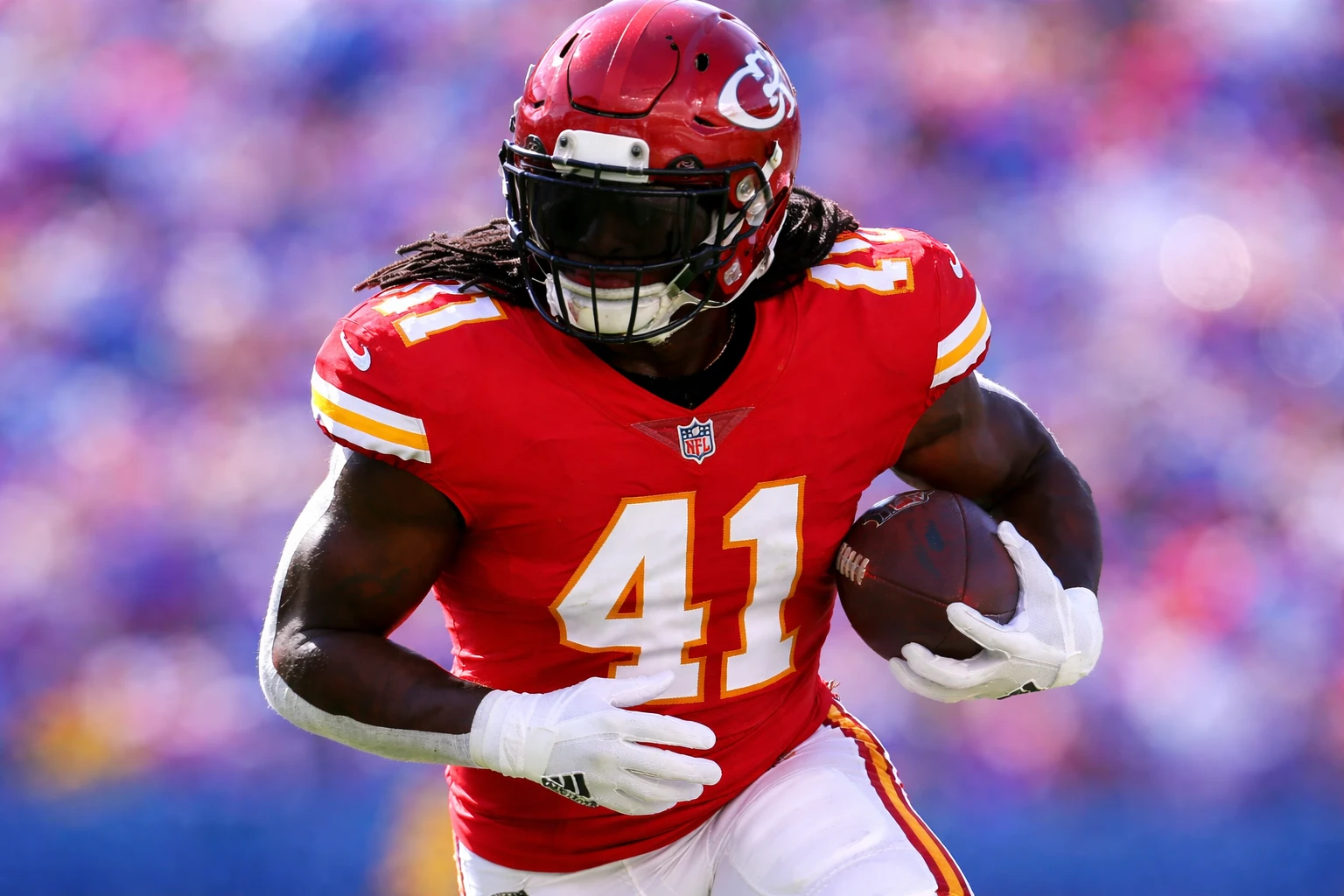
The NFL landscape has just been rocked by a bombshell report: the Kansas City Chiefs are reportedly closing in on a major trade deal that could redefine the AFC West power structure this season.
As the organization pivots toward championship aspirations under Andy Reid, every roster move now carries significant weight, signaling that Kansas City is officially ready to go “all in” for a deep postseason run.
While official sources remain tight-lipped, the silence has only added fuel to the fire. Insiders suggest that Kansas City has already cleared the necessary internal salary cap hurdles to facilitate this high‑profile veteran arrival.
All eyes are currently fixed on adding elite offensive firepower. Despite having dynamic playmakers like Rashee Rice and rising contributors such as Tyquan Thornton, the Chiefs are looking for a true “force multiplier” capable of elevating an already explosive core and helping Mahomes return to peak form.
The offensive philosophy currently being installed in Kansas City still revolves around big‑play capability and versatility in both the running and passing games.
This is precisely why the front office has made this move a priority. According to multiple reports, the target is none other than Alvin Kamara, the legendary New Orleans Saints superstar. The Chiefs believe adding Kamara could significantly diversify their attack.
Kamara is far more than a ball carrier; he is a strategic chess piece that defensive coordinators struggle to account for. He brings a unique, game‑changing element that the Chiefs’ offense seeks.
The most compelling aspect of this trade is how Kamara fits the system. His ability to line up anywhere would provide Patrick Mahomes with a lethal and reliable veteran safety valve, especially during Mahomes’ return from injury.
Pairing Kamara with Mahomes, Rice, and the rest of the Chiefs’ offensive core would create a nightmare for opposing defenses. Coordinators would be forced to choose which elite playmaker to double‑team on every single snap.
The Chiefs believe adding Kamara would provide immediate benefits, such as elite pass‑catching ability out of the backfield. This would instantly expand the playbook and create many new red‑zone scoring opportunities.
Furthermore, Kamara remains one of the league’s best weapons in vital third‑down packages. His championship‑level football IQ would be invaluable for a Kansas City locker room looking to rebound and return to contender status.
This is not a move designed for the distant future; it is a definitive “win now” decision. By pursuing a player of Kamara’s caliber, the Chiefs are sending a very loud message.
The message is clear: the window is open, and they are jumping through it. If the deal is finalized, Kansas City would boast one of the most unpredictable and explosive offenses in football.
The days of cautious planning are over. The Chiefs are showing the world they are willing to go all in for a Super Bowl run, betting on established star power.
They believe Alvin Kamara is the final piece of the puzzle needed to bring a world championship to Kansas City and satisfy a massive fanbase that is incredibly hungry for ultimate success.
The Pro Football Hall of Fame has been thrust into controversy after reports surfaced that three voters were removed following allegations of subjective voting in the Hall of Fame selection process involving Bill Belichick.
Belichick’s failure to earn first-ballot induction ignited one of the most intense debates the NFL world has seen in years, prompting scrutiny not only of the outcome, but of the integrity of the voting process itself.
According to multiple reports, internal concerns grew that certain ballots may have been influenced by personal or historical bias rather than on-field accomplishments and coaching legacy.
As pressure mounted from former players, league insiders, and fans, the Hall of Fame quietly moved to adjust its selection committee, removing three voters whose impartiality had been called into question.
Sam Kouvaris, representing the Jacksonville market, was one of the names linked to the controversy. Jacksonville’s most painful near-miss came in the 2017 AFC Championship Game, where New England erased a late deficit to end the Jaguars’ Super Bowl dream.
That loss remains a defining scar in franchise history, and critics argue that such memories may have clouded objective judgment during the Hall of Fame vote.
Vahe Gregorian, a longtime voice covering the Kansas City Chiefs, was also reportedly removed from the committee. His market endured a crushing overtime loss to New England in the 2018 AFC Championship Game at Arrowhead Stadium.
The defeat delayed Kansas City’s championship breakthrough and reinforced Belichick’s dominance over the conference, a dynamic that many believe resurfaced during the voting process.
Mike Sando, associated with the Seattle market, completes the trio. Seattle’s Super Bowl XLIX loss, sealed by a last-second interception at the goal line, remains one of the most infamous moments in league history.
That game, widely viewed as a masterclass in situational coaching by Belichick, still resonates deeply within the Seahawks’ fan base and media landscape.
Individually, any single vote could be dismissed as coincidence. Collectively, however, the pattern proved too consistent to overlook.
All three voters represented markets defined by championship heartbreak delivered by Belichick-led teams, raising unavoidable questions about whether history and resentment influenced the ballots.
While the Hall of Fame’s reported action signals an effort to protect the credibility of its process, Belichick’s legacy does not hinge on a single vote or a single year.
That legacy is already etched into NFL history through championships, sustained dominance, and the long list of teams whose greatest dreams ended with him standing in the way.