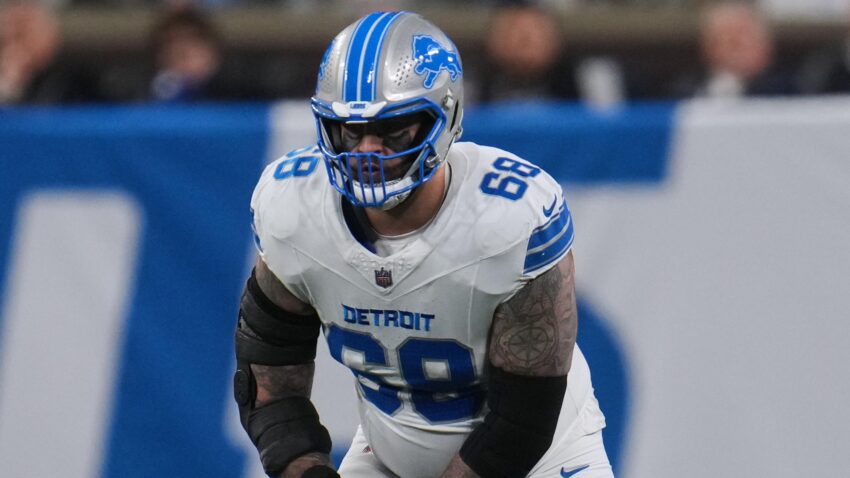
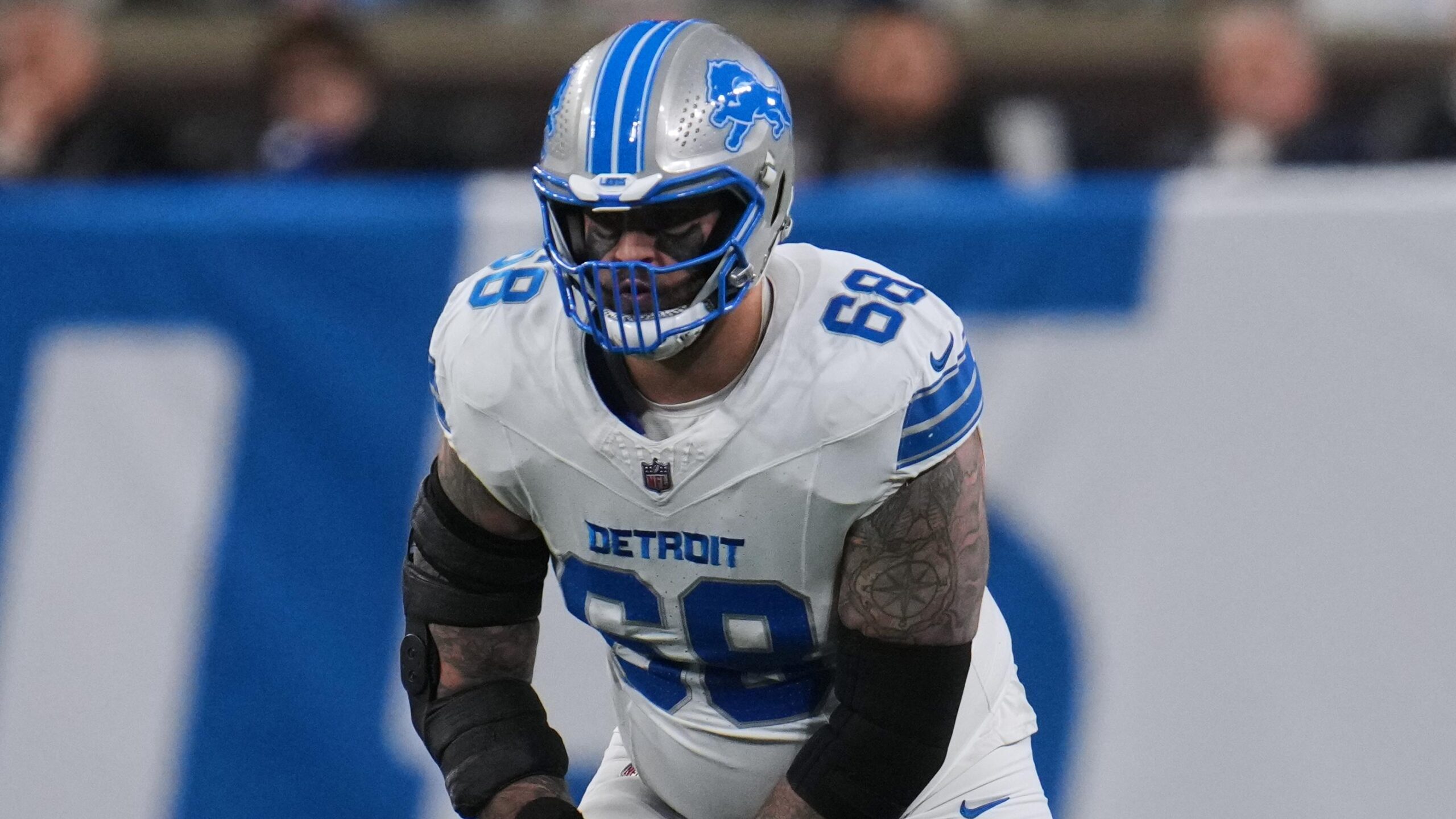
Detroit, MI – There are departures in the NFL that feel temporary. And then there are connections that never truly fade. For Detroit Lions and one of their most beloved former players, that connection may still be alive.
After an unexpected and somewhat uneasy departure, a familiar figure now finds himself reflecting on his next chapter while the past continues to pull him back.
Taylor Decker, a longtime cornerstone of Detroit’s offensive line who now finds himself reflecting on what the franchise still means to him.
Despite receiving interest from multiple teams across the league, Decker has remained selective, prioritizing more than just opportunity as he evaluates his future.
What stands out most is not where he might go, but where he refuses to go. Reports indicate he has turned down interest from division rivals, choosing instead to protect the legacy he built in Detroit.
That decision speaks to something deeper than football. It reflects a bond that hasn’t been broken, even after the business side of the game forced a separation.
“Detroit’s where I grew up as a man, got married, had my first kid. I wish it ended differently, but I’d love to come back and support Goff, help this team win first ring,” Decker shared.
His words carry weight. Not just because of what he accomplished on the field, but because of what he represented off it — leadership, toughness, and loyalty during years of rebuilding.
For Detroit, the timing is complicated. The team has moved forward, building a roster capable of competing at the highest level.
Yet, the idea of bringing back a veteran presence like Decker — someone who understands the culture and the journey — is difficult to ignore.
With Jared Goff leading the offense and expectations rising, adding experience along the line could provide both stability and emotional lift.
From a strategic standpoint, a reunion would need to make sense financially and structurally. But from a cultural standpoint, it already does.
Decker’s situation highlights something rare in today’s NFL — a player who values identity and legacy as much as opportunity.
He still wants to compete. He still wants to win.
But more than anything, he wants it to mean something.
And for Taylor Decker, that meaning still points back to Detroit.
The NFL has issued its final ruling on the Ian Cunningham dispute, and the decision delivers a significant win for the Chicago Bears.
After formally reviewing Chicago’s complaint, the league determined that the Bears are entitled to full Rooney Rule compensation following Cunningham’s departure to the Atlanta Falcons.
As a result, the Bears will receive two third-round draft picks, a major boost to their draft capital as they continue building a Super Bowl-contending roster.
Cunningham accepted the general manager role in Atlanta after playing a key behind-the-scenes role in Chicago’s front office since 2022, working closely with Ryan Poles during one of the franchise’s most successful stretches in recent years.
The controversy centered on Atlanta’s front-office structure, where Cunningham held the GM title while former quarterback Matt Ryan was named president of football operations.
Matt Ryan literally confirmed that he will not be making any football decisions.
The Bears will get two 3rd round picks.
If the NFL viewed this as a lateral move, the Bears would and should block it. pic.twitter.com/JczZ8CiMNs
That structure initially led the league to classify Cunningham as a “secondary executive,” which would have eliminated draft compensation for Chicago.
However, the NFL reversed course after further review, determining that Cunningham’s move constituted a legitimate promotion rather than a lateral transition.
During an interview embedded in the league’s review process, Ryan effectively confirmed that he would not hold authority over football operations such as roster decisions, draft selections, or trades, reinforcing Cunningham’s status as the primary decision-maker.
That clarification proved pivotal, as it undercut the argument that Atlanta had engineered a workaround to avoid Rooney Rule compensation.
League sources noted that had the move been officially deemed lateral, the Bears would have been within their rights to block the hire entirely.
Instead, the NFL framed the move as a clear advancement in responsibility and authority, triggering the full compensatory mechanism.
The ruling not only rewards Chicago for developing top minority front-office talent, but also closes a potential loophole that could have been exploited by other teams.
For the Bears, the outcome represents both a symbolic and practical victory, adding valuable draft assets while affirming the integrity of the Rooney Rule at the executive level.
As the offseason unfolds, Chicago now moves forward with clarity, compensation, and momentum firmly on its side.